Plots in Huesca - buy, sell or rent easily

Find plots by category in Huesca (Province)


Plots for sale with most wanted features


Latest publications of land and houses for sale in Huesca (Province)
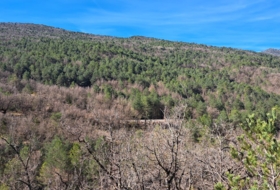
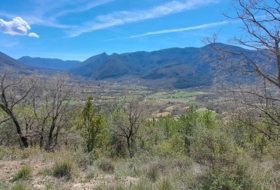
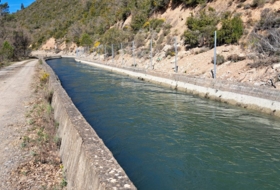
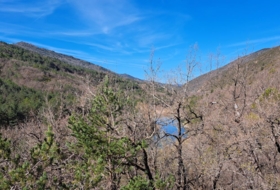
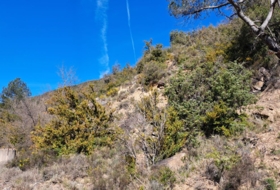



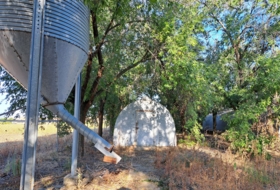
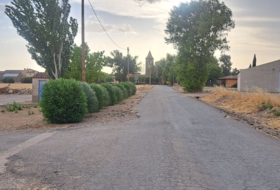
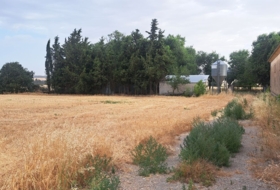
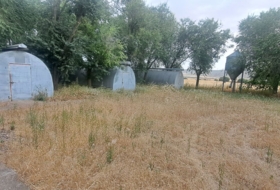

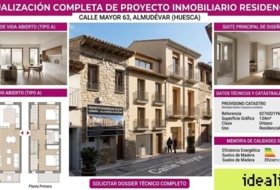
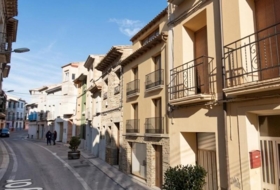
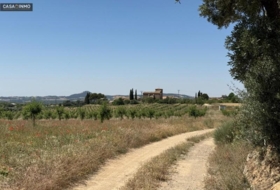
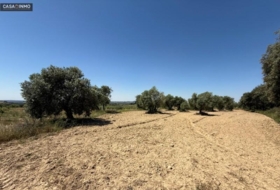
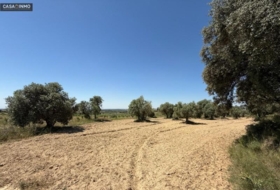
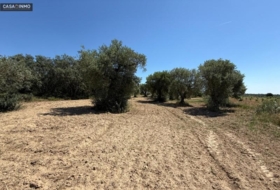
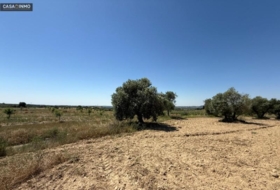
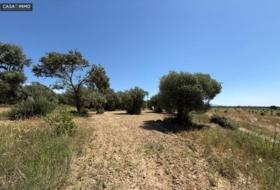
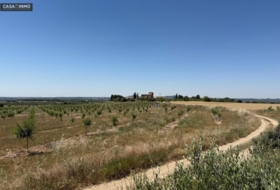
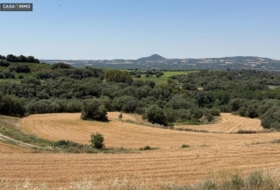
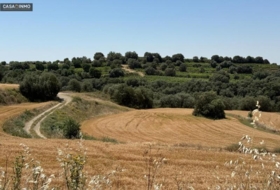
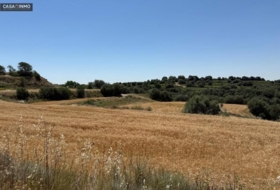
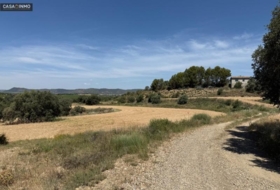
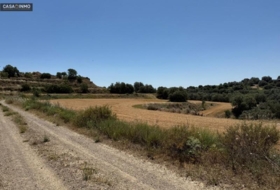
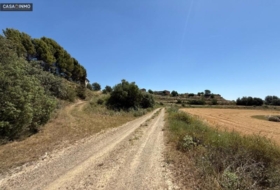
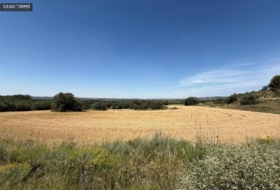
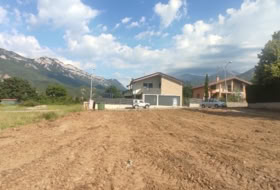
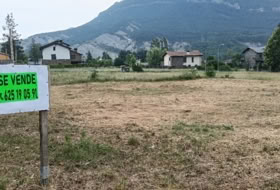


Where to buy land in Huesca
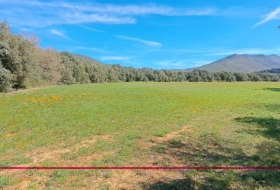
The average value of urban land in the province exceeds €80/m², one of the lowest in Aragon. The areas with the cheapest land for sale in Huesca are Albalate de Cinca and Lárrede, with a minimum value of €0.40/m²; Barbastro, with €1.10/m²; and Binacua, with €1.40/m². This is due to a large amount of undeveloped land for sale available in the territory.
Meanwhile, the most expensive urban lots are in Banastón, El Pueyo de Jaca, Benasque and the capital itself, Huesca. This is because they have a higher population density, which increases the demand and the price of this type of plot. The situation of developable land is like the urban surface since it is concentrated in the main cities of the province.
Huesca, where investing in land is a safe value
The province of Huesca, also known as Alto Aragón, has an area of 15,626 km² and a low population density, most of whom live in the capital or the most important cities. Its climate is a Mediterranean mountain in the highest areas and continental in the plains.
Regarding its economy, the services sector is the most relevant, highlighting tourism and commerce, followed by industry, construction, the primary sector, and energy.
Urban land in Huesca exceeds 8,000 hectares (built-up and unbuilt plots-more than 2,500 hectares). The value of the farm, despite being one of the cheapest in the country, has increased in recent years (60% in Aragon), although the rise also depends on the type of cultivation carried out on the land. In any case, the field has become a refuge for investors' capital since it is always a safe value.
Industrial land at competitive prices
The industrial centres are located close to the French border, due to the advantages when it comes to importing materials and exporting production. Among its activities are the automobile sector, the agri-food industry, transport material or paper, among others. While the energy companies are located near the rivers, as well as the chemical and iron and steel companies, with the intention of taking advantage of the power of their waters to produce electricity.
In the province of Huesca, there are more than sixty industrial estates, as well as logistics centres of different sizes and availability (more than 1,000,000 m²), which have all the necessary infrastructure and services. In addition, they are in the most important communication axes, since due to their location, this region connects the Atlantic Arc with the Mediterranean Arc and France.
One of its greatest advantages is that it is one of the cheapest territories to invest in industrial land.
An agricultural sector linked to a sustainable and quality food industry
Huesca has been a province with a strong agricultural and livestock tradition, in which cereals (barley, wheat and corn) and fruit trees (apple, pear, peach, apricot, cherry and almond trees) stand out, giving rise to integrated food industries. Horticultural products (borage, beans, tomatoes, peppers, and onions), fodder for livestock, vineyards and olive groves are also grown. In other words, rustic land in Huesca is important for the economy of the province.
In livestock, cattle, sheep, and pigs stand out (the second largest herd in Spain), as well as poultry farming. This sector has Agri-food Quality Certifications and Protected Designations of Origin.
Its climate and relief give rise to a forest area of great biodiversity
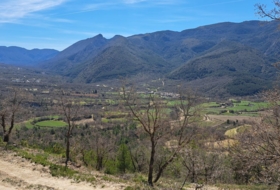
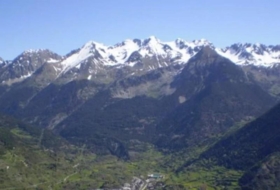
The climate varies according to the relief, which is mountainous in the north, with the Pyrenees and flattens in the south in the Ebro Depression.
In the north, temperatures are lower, where the annual average barely exceeds 5ºC, while in the south-eastern plains they exceed 14ºC. Precipitation is more abundant in the north (around 2,000 mm per year) and the south it does not reach 400 mm. annual.
Its morphology, climatology and relief influence the type of vegetation. It should be noted that Huesca is the second Spanish province with the largest number of trees (320 million) and a forest area of nearly 1,000,000 hectares. Its market value is below the national average (€1,500/ha).
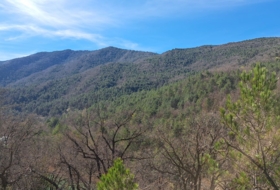
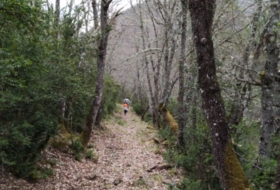
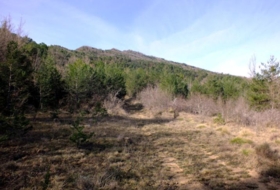
The forests are concentrated in the Pyrenean and pre-Pyrenean valleys, where Holm oaks, Holm oaks, Oaks, Gall oaks, Pyrenean oaks, Beech trees and Pines grow. Boxwood and bearberry bushes appear in the undergrowth. In the subalpine zone (between 1,600 and 2,000 m.), pines and fir trees predominate. Dwarf grasses grow in high mountain areas. In the south, the density of trees decreases, although we can find pine and juniper forests, as well as scrub areas.
These forest resources are managed sustainably following international environmental standards and are used in the timber industry. The Short wood in Aragon is about 200,000 m³ per year, almost half of these are transformed into different products such as boards, containers, packaging, paper, or cellulose.
In addition, the forest is also obtained: firewood, honey, pastures, fishing, hunting, aromatic plants, medicinal plants, mushrooms, and truffles.
In conclusion, in the province of Huesca, there is a large amount of land of various kinds at competitive prices and that offer security when investing, whether at an industrial, agricultural, urban or forestry level.
The aid offered by the administration is interesting and an opportunity for those who want to undertake in the region, due to its infrastructure and resources. Without forgetting the quality of life that is enjoyed in this little crowded area and surrounded by virgin nature.